
How Restaurants in Qatar Can Pass Hygiene Inspections Easily with Proper Grease Trap Cleaning
One Call, Can Solve all your Maintenance Problems
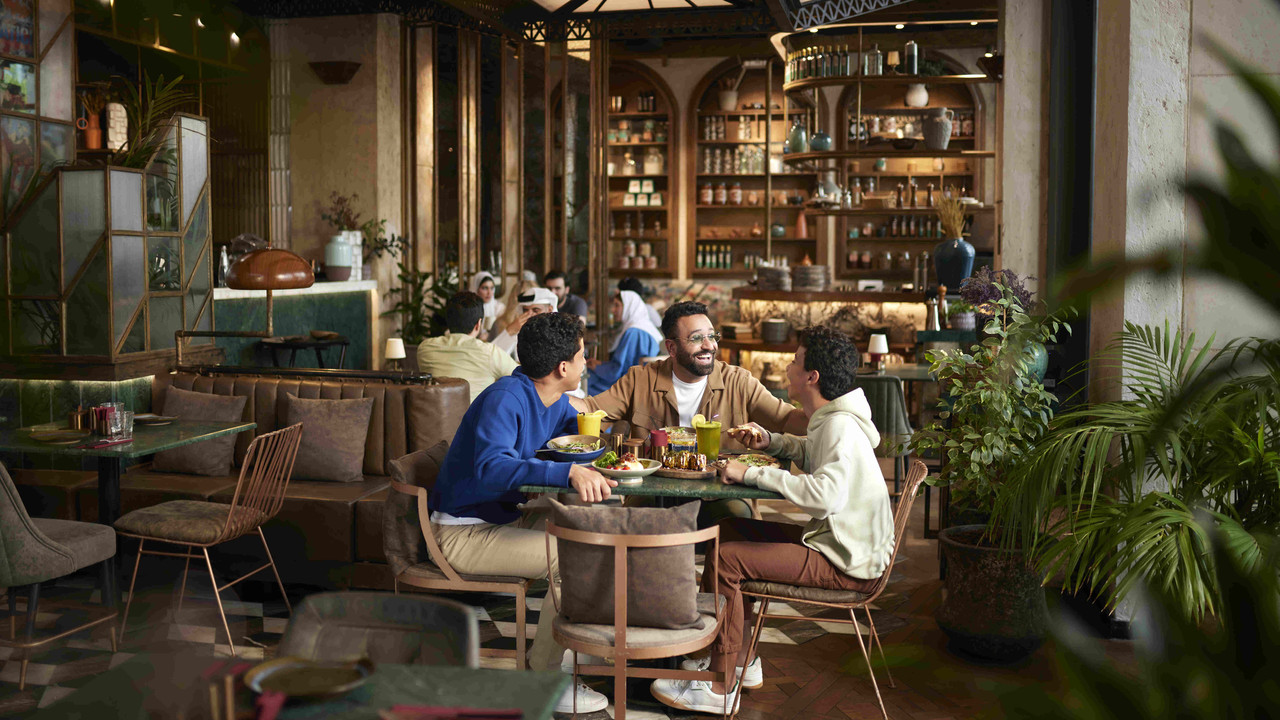
Running a restaurant in Qatar requires more than great food and fast service. Behind every successful restaurant is a system that meets the strict standards set by the Qatar Municipality, Public Health Department, and Food Safety Division. One overlooked issue can bring everything to a stop:
A neglected grease trap.
Grease traps are one of the first things inspectors check during hygiene inspections and one of the most common reasons restaurants receive warnings, fines, penalties, or temporary closures.
Yet the majority of restaurant managers in Qatar don’t realize how much the grease trap affects:
- Hygiene scores
- Customer experience
- Kitchen safety
- Wastewater compliance
- Daily operations
- Environmental responsibility
In this blog you’ll learn exactly why grease trap cleaning is essential, what Qatar inspectors look for, and how working with a professional provider like Blessing Doha keeps your restaurant fully compliant without stress.
Why Hygiene Inspections Matter So Much in Qatar
Qatar has one of the most regulated food industries in the GCC. The government prioritizes public health, sanitation, and environmental care, especially in food establishments.
Your restaurant is regularly checked by:
- Qatar Municipality (Baladiya) Inspectors
- Food Safety Department Officers
- Public Health Inspectors
- Wastewater Compliance Teams
- Environmental Health Departments
These inspections ensure that restaurants meet standards related to:
- Food handling
- Oil & grease disposal (FOG compliance)
- Wastewater management
- Kitchen hygiene
- Drainage systems
- Odor control
- Staff safety
- Overall sanitation
This means that even if your dining area is spotless and food quality is excellent, a dirty grease trap can still fail your entire inspection.
What Exactly Is a Grease Trap? (And Why Do Inspectors Care?)
A grease trap also known as a FOG interceptor, grease interceptor, or grease management system is a device installed in commercial kitchens to separate:
- Fats
- Oils
- Grease
- Food particles
- Sludge
from wastewater.
Qatar restaurants generate a high volume of FOG due to popular cuisines such as:
- Arabic food
- Indian curries
- Filipino fried dishes
- Turkish grills
- Fast food & fried items
- South Asian cuisine
These cooking styles release oil and grease that quickly accumulate in the trap.
If not cleaned regularly, the grease trap:
- Overflows
- Produces foul smell
- Clogs pipelines
- Sends grease back into the kitchen
- Causes drain blockages
- Impacts dishwashing operations
- Creates safety hazards
And yes inspectors notice this immediately.
Top Reasons Qatar Restaurants Fail Hygiene Inspections (Related to Grease Traps)
Many restaurants do not realize how many items in an inspection checklist link directly to grease trap maintenance.
Here’s what inspectors look for:
1. Fats, Oils & Grease (FOG) Levels in the Trap
If the trap is more than 25% full, it automatically fails hygiene standards.
2. Bad Smells Coming from the Kitchen Drain
Foul odors indicate bacterial growth or untreated grease waste.
3. Slow Water Flow in Sinks or Dishwashing Areas
Blockages caused by grease trap overflow are seen as a hygiene hazard.
4. Dirty Gully Traps
The gully trap catches food waste before it enters the drainage system. If it’s clogged, it’s a violation.
5. Improper FOG Disposal
Municipality rules require restaurants to dispose of grease legally at approved waste treatment facilities.
Restaurants that dump grease illegally face heavy penalties.
6. Lack of Documentation
Inspectors usually ask for:
- Grease trap cleaning logs
- Disposal receipts
- Maintenance schedules
- Service reports from certified companies
If you cannot provide evidence, inspectors will assume improper maintenance.
7. Overflow or Water Backup
Any sign of water backing up into food prep areas results in major violations.
How Blessing Doha Helps Restaurants Meet Inspection Requirements
Blessing Doha is one of Qatar’s trusted providers for grease trap cleaning, gully trap cleaning, drainage cleaning, and wastewater management, serving clients in sectors such as:
- Restaurants & cafés
- Hotels & resorts
- Catering companies
- Cloud kitchens
- Commercial food courts
- Malls & retail outlets
- Hospitality companies
Here’s how Blessing Doha protects restaurants from inspection failures:
1. Full Mechanical & Manual Grease Trap Cleaning
Blessing Doha uses:
- High-pressure water jetting
- Vacuum tankers
- Grease pumping systems
- Manual scrubbing tools
- Heavy-duty cleaning equipment
This ensures complete removal of:
- Grease
- Oils
- Fats
- Food residue
- Sludge accumulation
Every part of the trap including baffles, chambers, walls, and outlet pipes is cleaned and sanitized.
2. Odor Removal & Deep Disinfection
Using eco-friendly disinfectants, Blessing Doha eliminates:
- Odor-causing bacteria
- Food waste buildup
- Organic residue
- FOG-related microbes
Odor-free kitchens significantly improve your hygiene inspection score.
3. Documentation You Need for Inspectors
Restaurants receive:
- Cleaning reports
- Service documentation
- Waste transfer receipts
- Recommended cleaning frequency logs
These documents are essential during hygiene inspections.
4. Scheduled Maintenance Plans (Weekly, Monthly, Quarterly)
Blessing Doha creates custom plans based on:
- Restaurant size
- Cooking volume
- Cuisine type
- Grease production
- Drainage layout
Regular maintenance means your restaurant is always inspection-ready.
5. Qatar Municipality Compliance
Blessing Doha follows regulations from:
- Qatar Municipality (Baladiya)
- Public Health Department
- Environmental Health & Safety (EHS)
- Wastewater Treatment Guidelines
- FOG Disposal Standards
All grease is taken to approved waste treatment facilities under proper compliance.
6. 24/7 Emergency Services for Restaurants
If your restaurant faces:
- Grease trap overflow
- Kitchen flooding
- Bad smell
- Blocked gully trap
- Backflow from drains
Blessing Doha sends a team immediately critical for restaurants with high daily footfall.
How Often Should Grease Traps Be Cleaned in Qatar?
The cleaning frequency depends on:
- Food type
- Kitchen usage
- Trap capacity
- FOG output
- Regulations
Here’s a general guideline:
Restaurant Type | Cleaning Frequency |
Fast Food, Fried Items | Weekly |
Indian/Arabic Restaurants | Every 1–2 weeks |
Medium Kitchens | Every 2–4 weeks |
Low Grease Output | Monthly |
Hotels/Catering | Weekly or Biweekly |
Failing to follow this means the trap reaches the 25% rule faster and inspectors know it.
Signs Your Restaurant Will Fail Inspection Soon
If you notice any of these, cleaning is overdue:
- Constant foul smell
- Sinks draining slowly
- Gully trap overflowing
- Grease visible in manholes
- Flies or insects near drainage
- Water backing up
- Sludge floating in the trap
- Complaints from staff or guests
Ignoring these leads to:
- Inspection failures
- Penalties
- Temporary closures
Health & safety violations
Why Restaurants Across Qatar Choose Blessing Doha
Blessing Doha is trusted by leading food establishments because of:
✔ Expertise in commercial kitchen systems
✔ Advanced cleaning equipment
✔ Certified and trained technicians
✔ Fast response time
✔ 24/7 emergency support
✔ Licensed waste disposal
✔ Affordable service plans
✔ Qatar-wide coverage
✔ Compliance with municipal rules
Whether you operate in West Bay, Al Sadd, Bin Mahmoud, Najma, Barwa Village, Mesaimeer, or Lusail, Blessing Doha ensures your kitchen stays clean and compliant.
Final Thoughts
Passing hygiene inspections in Qatar is not about luck or last-minute cleaning.
It requires:
- Proper grease trap maintenance
- Regular gully trap cleaning
- Drainage management
- Documentation & compliance
- Professional waste disposal
With Blessing Doha as your partner, you eliminate the risk of penalties, complaints, and operational interruptions.
You focus on your restaurant.
We handle the hidden systems that keep your kitchen safe, compliant, and inspection-ready.

